Set of scripts to run STRUCTURE in parallel on computing grids like MetaCentrum. Scripts are designed for grids and clusters using PBS Pro, but can be easily adopted for another queue system.
Parallel evolution provides powerful natural experiments for studying repeatability of evolution and genomic basis of adaptation. Well-documented examples from plants are, however, still rare, as are inquiries of mechanisms driving convergence in some traits while divergence in others. Arabidopsis arenosa, a predominantly foothill species with scattered morphologically distinct alpine occurrences is a promising candidate. Yet, the hypothesis of parallelism remained untested.
Minuartia smejkalii is an obligate serpentinophyte plant endemic to the Czech Republic. Since the 1960s, the species’ habitat has undergone strong human-mediated fragmentation, resulting in extinction of some populations and dramatic size reduction of the remaining populations. Thus, contrary to the typically stable serpentine habitats, M. smejkalii habitats underwent a recent and severe decline, which can exacerbate the effects of fragmentation on population genetic structure. We examined the genetic structure of all known M.
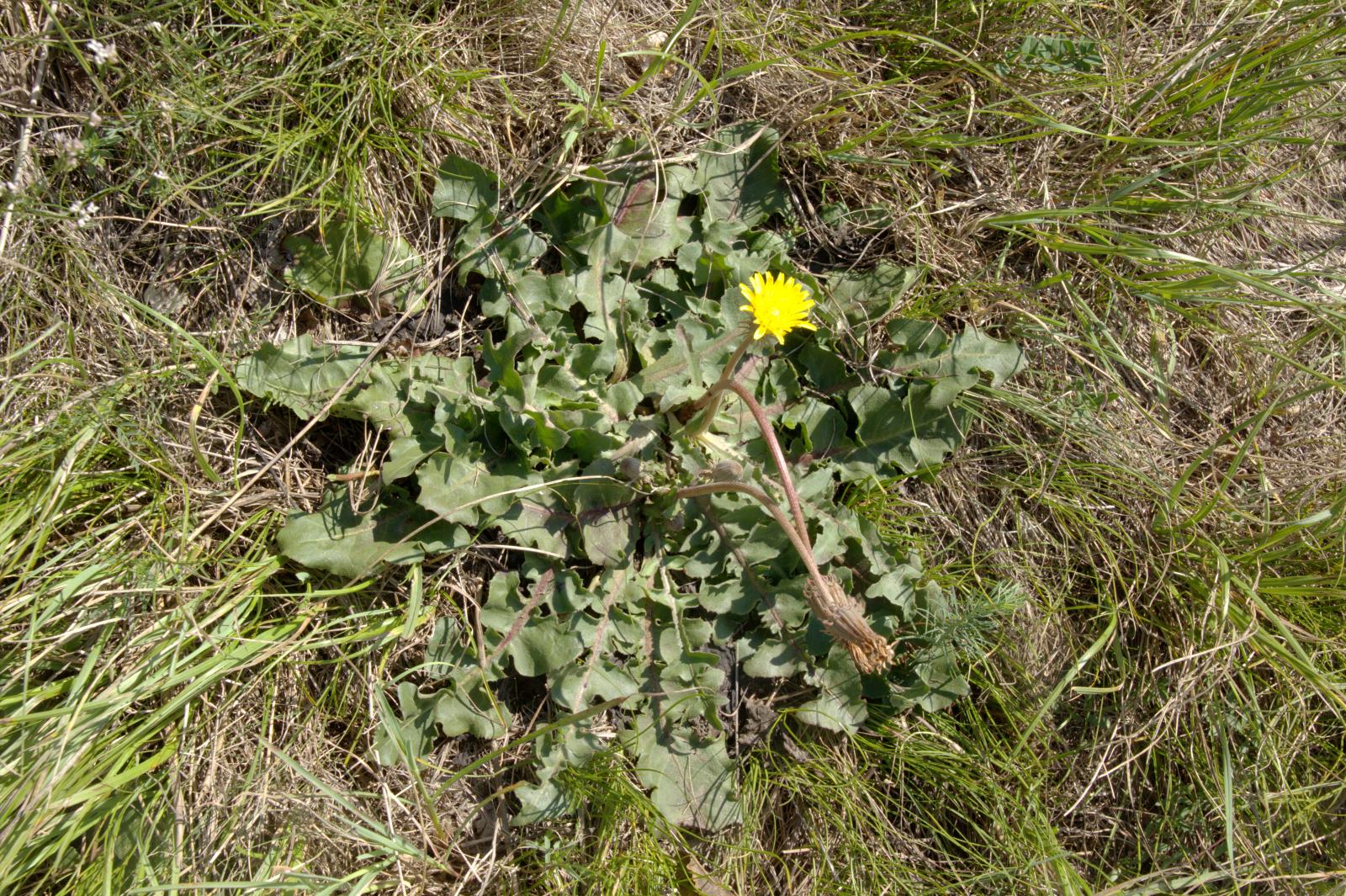
Taraxacum koksaghyz Rodin, a dandelion from the steppes of south-eastern Kazakhstan, has been known for long time as potential rubber producer, as a temperate region alternative to the tropical rubber tree Hevea brasiliensis Müll. Arg.. In this work, we evaluate Taraxacum bicorne Dahlst. (wild populations), a closely related congener of T. koksaghyz.
Rod Taraxacum (pampeliška, hvězdnicovité), mající ∼60 sekcí a 2 druhů, je známý pro své komplikované evoluční vztahy a taxonomii díky procesům jako je častá hybridizace, polyploidizace, nepohlavní rozmnožování, klonalita a nízká strukturální morfologická variabilita. Různé taxonomické koncepty a přístupy jsou v práci představeny, diskutovány a zhodnoceny z pohledu jejich schopnosti poradit si s tak komplikovaným rodem jako je Taraxacum. Různé procesy zodpovědné za tuto komplikovanou situaci v rámci pampelišek jsou diskutovány. Sekce Dioszegia, obsahující p. pozdní (T.
Diploid populations of Valeriana officinalis L. (Valerianaceae) in Central Europe exhibit an extensive variation, with two conspicuous morphotypes. One, corresponding to the lectotype of V. officinalis, is larger, with broader, distinctly dentate leaflets, the other is in many respects similar to V. pratensis Dierb. and V. stolonifera Czern., but is glabrous, with narrow, usually entire leaflets.
The Taraxacum flora of the West Himalaya represents one of the dandelion diversity hotspots, with at least 17 sections and about 150 known species. A number of names published from that region were referred to T. sect. Orientalia Handel-Mazzetti in the literature. All these names are revised and newly interpreted, with emphasis on plants erroneously determined as T. stenolepium. The revision is based on both older herbarium collections and a new material from expeditions of the late L. Klimeš. A new section, T. sect.
Jedním z kardinálních problémů současného přírodozpytu je klesající schopnost biologů správně určit rostlin- ný materiál. To zvláště platí pro rody s neobvyklými reprodukčními způsoby, např. koexistencí sexuality a aga- mospermie, kdy jednotlivé taxony jsou si značně podobné. Jednotlivé klonální (oligoklonální) entity v tako- vých skupinách jsou obvykle popisovány jako tzv. drobné druhy (mikrospecie), navzájem rozeznatelné na zá- kladě souboru drobných morfologických rozdílů.
Soužití agamospermie a pohlavního rozmnožování je charakteristické pro většinu z asi 60 sekcí pampelišek (rod Taraxacum). Sekce Dioszegia, obsahující p. pozdní (T. serotinum, vyskytuje se od jižní Moravy přes jižní a východní Evropu, Malou Asii a Írán až po Afghánistán) a příbuzné druhy představuje výjimečnou sekci, protože pro její členy bylo doposud známo pouze pohlavní rozmnožování.